


After working with label materials for many years—supporting food brands, chemical manufacturers, and packaging converters—I have learned one important lesson: label failure is rarely caused by poor printing, but often by choosing the wrong paper.
Waterproof and oil-resistant label papers exist precisely to solve this problem. For newcomers, however, these materials can seem confusing. This article breaks them down clearly, step by step, based on real production and application experience.
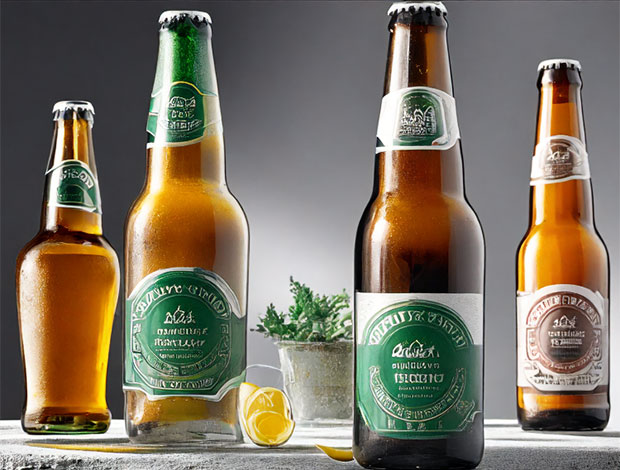
What Makes Label Papers Waterproof and Oil-Resistant?
At their core, waterproof and oil-resistant label papers are engineered to block liquid penetration. Traditional paper absorbs moisture and grease through capillary action, which leads to swelling, fiber breakdown, ink bleeding, and eventual label detachment.
Resistant label papers work differently. They rely on barrier technologies that prevent water, oils, and other liquids from entering the paper structure. This resistance is not accidental—it is designed into the paper through material selection and surface treatment.
It is also important to clarify a common misconception:
• Waterproof does not automatically mean oil-resistant
• Oil-resistant does not always guarantee water resistance
Water molecules and oil molecules behave differently. Effective label papers are designed to address both polar (water-based) and non-polar (oil-based) substances, depending on the intended application.
Materials and Coating Technologies Behind the Performance
From my experience, performance starts with structure, not marketing claims.
Base Paper Selection
Most waterproof and oil-resistant label papers begin with high-density base papers, such as:
• Bleached kraft paper
• Glassine paper
• Specialty coated label stock
These papers are selected for fiber uniformity, smoothness, and dimensional stability, which allows coatings to perform consistently.
Functional Coatings and Barrier Layers
The real protection comes from surface coatings, including:
• Water-based barrier coatings
• Acrylic or polymer dispersion coatings
• Fluorine-free oil-resistant treatments (increasingly common for sustainability)
• Lamination layers for extreme environments
These coatings form a continuous film on the paper surface, reducing surface energy so that water beads up and oil cannot spread or soak in.
In modern production, water-based coating technologies are increasingly favored. They provide excellent resistance while meeting regulatory and environmental requirements, especially for food packaging labels.
Key Performance Properties and Testing Standards
A good waterproof and oil-resistant label paper must perform consistently—not just look good on day one.
Critical Performance Indicators
In real applications, I always evaluate label papers based on:
• Water resistance (no fiber swelling or ink migration)
• Oil and grease resistance (no staining or transparency)
• Printability (ink adhesion and color stability)
• Dimensional stability under humidity
• Adhesive compatibility
Common Testing Methods
Manufacturers typically verify performance using:
• Water immersion or splash tests
• Grease resistance tests (such as kit rating methods)
• Humidity aging tests
• Rub resistance and abrasion testing
Reliable label papers maintain legibility, adhesion, and structural integrity even after prolonged exposure to moisture, oil, or temperature changes.
Where Waterproof and Oil-Resistant Label Papers are Used
Over the years, I have seen these label papers succeed—or fail—across many industries.
Food and Beverage Packaging
This is the most common application:
• Bottles, jars, and pouches
• Refrigerated and frozen foods
• Oil-rich products such as sauces and condiments
Labels must survive condensation, oil splashes, and cold storage without peeling or smudging.
Chemical and Industrial Labels
In industrial environments, labels face:
• Oils and lubricants
• Solvents and cleaning agents
• Harsh storage conditions
Here, oil-resistant label paper is essential for safety labeling and traceability.
Cosmetics and Personal Care
Cosmetic packaging demands both performance and appearance. Waterproof label papers ensure branding remains intact in bathrooms, salons, and daily handling scenarios.
How to Choose the Right Waterproof and Oil-Resistant Label Paper
For beginners, choosing the right material does not require guessing—it requires asking the right questions.
Key Selection Factors
Before selecting a label paper, always consider:
• What type of liquid exposure is expected?
• Will the label face refrigeration, freezing, or heat?
• What printing technology will be used?
• Are there food-contact or regulatory requirements?
Paper Labels vs. Film Labels
While film labels offer extreme durability, waterproof paper labels provide a balance of performance, print quality, cost, and sustainability. For many applications, advanced coated label papers are more than sufficient.
My advice after years in the field:
Match the label paper to the environment, not the price point. A slightly higher material cost often prevents expensive relabeling, recalls, or brand damage later.


